
Compassionate Pediatric Dentistry Services in St. Catharines
Your Child's First Visit to the Dental Pediatrician
At St. Catharines Dental Centre, we understand the importance of early oral care. Our pediatric dental office welcomes children from their first tooth to all stages of their childhood dental development. Regular visits to a dental pediatrician are vital, as they help establish a foundation for excellent oral hygiene. By recommending that children visit us by the time their first tooth erupts or their first birthday, we help to ensure that dental issues can be addressed early on.
Creating a Positive Environment at Our Pediatric Dental Office
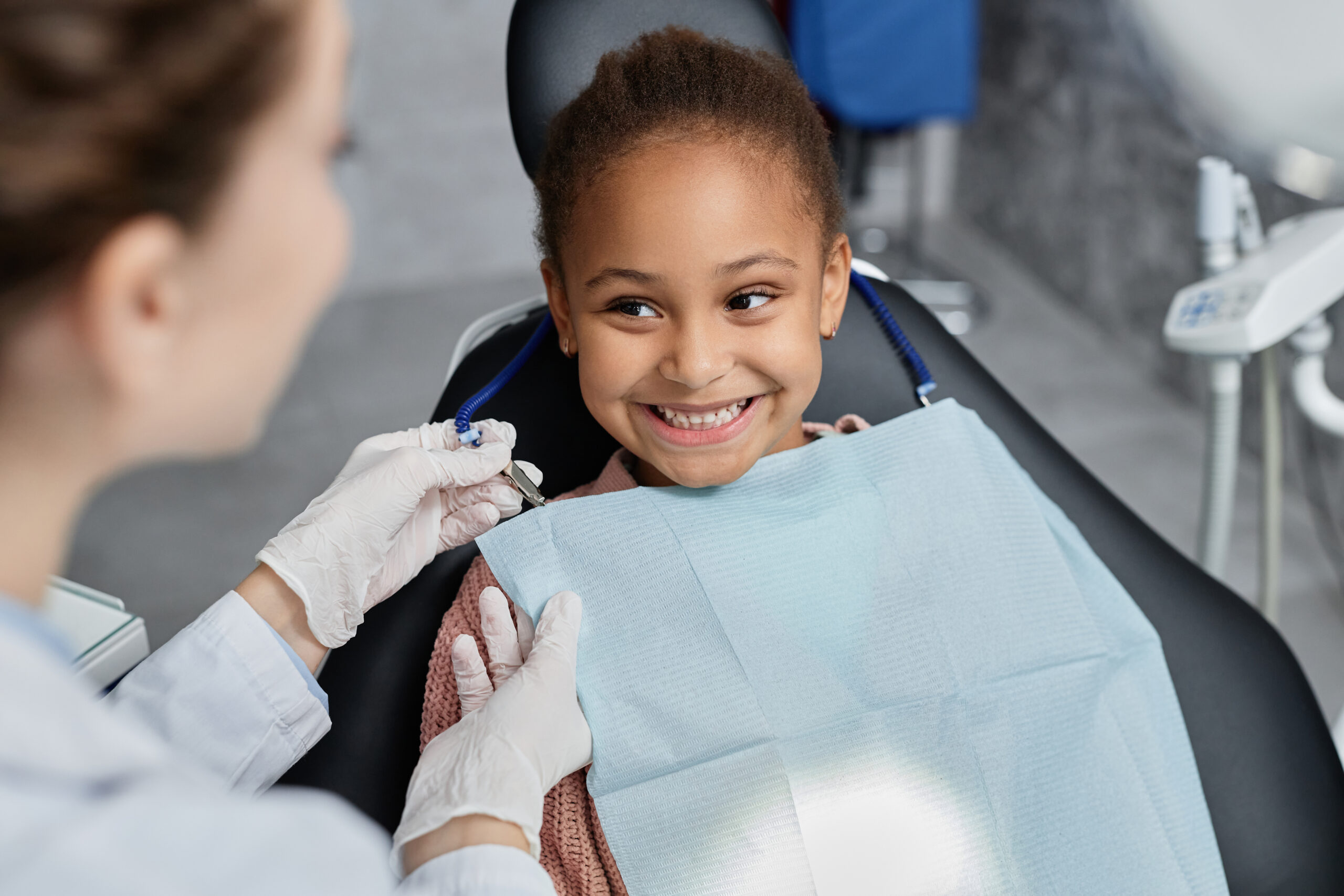
Our goal at our pediatric dental office in St. Catharines is to make dental visits a positive experience for children. We strive to make each visit not just educational, but also fun, helping children understand the importance of caring for their teeth. A friendly, comforting environment awaits every young visitor, making their dental experience enjoyable and memorable. This approach helps alleviate any anxiety associated with dental visits and fosters a positive attitude toward future dental care.
Comprehensive Dental Services for Children
We tailor our comprehensive dental services to meet the specific needs of children. That includes preventative measures like fluoride treatments and sealants to protect young teeth from decay. Our dental clinic for kids also focuses on education, providing parents and children with the necessary tools to maintain optimal oral health. We demonstrate proper brushing techniques and discuss the best dietary practices to support healthy teeth and gums.
Why Choose Our Dental Clinic for Kids in St. Catharines
Choosing the right dental clinic for kids in St. Catharines can significantly influence your child's dental health journey. At St. Catharines Dental Centre, we prioritize a proactive approach to dental care, emphasizing prevention and early treatment to ensure lifelong dental health. Our dedicated team of dental professionals is committed to providing gentle, thorough care tailored to the unique needs of children, ensuring that each visit builds trust and confidence in their dental care experiences.
By focusing on educational and preventative dental services, we care for your child's teeth and teach them the importance of maintaining good oral health. Our commitment to providing a comforting and informative environment makes us a preferred choice for families seeking a reliable and caring dental pediatrician in St. Catharines.
How to prepare for your child's filling & extraction appointments. (pdf)
FAQ
Your child should see a pediatric dentist by their first birthday or when the first tooth appears, whichever comes first. Early visits to a pediatric dental office help identify issues such as early decay, feeding habits that affect teeth, and problems with oral development. At this stage, the appointment is short and focused on checking growth, reviewing hygiene, and guiding parents on brushing and diet. Starting pediatric dentistry early also helps your child become familiar with the dental setting, reducing anxiety at future visits and building a routine for oral care from the very beginning.
The first visit to a pediatric dental office is simple and focused on comfort. The pediatric dentist will examine your child’s teeth, gums, and bite to check how everything is developing. In many cases, the child may sit on a parent’s lap during the exam. The appointment also includes guidance for parents on brushing techniques, teething, pacifier use, and diet. If needed, a gentle cleaning may be done. The goal of pediatric dentistry at this stage is not treatment, but early assessment and helping both the child and parent feel comfortable with regular dental visits.
Children should visit a pediatric dentist every six months, just like adults. Regular appointments at a pediatric dental office allow the dentist to monitor changes in the teeth, catch cavities early, and track jaw development. Some children may need more frequent visits if they are at higher risk of tooth decay or have specific dental concerns. Routine pediatric dentistry visits also reinforce good habits, as children learn that dental care is a normal part of their health routine. Keeping consistent appointments helps prevent more complex treatments later.
Yes, baby teeth play a major part in your child’s development. They help with chewing, speech, and holding space for permanent teeth. If baby teeth are lost too early due to decay, nearby teeth can shift, leading to crowding or alignment issues later. A pediatric dentist monitors these changes and can recommend treatment if needed. Visiting a pediatric dental office helps keep baby teeth healthy for as long as they are needed, reducing the risk of future orthodontic problems and supporting proper oral development.
Dental X-rays used in pediatric dentistry are safe and only taken when necessary. Modern equipment uses very low radiation levels, and protective measures such as lead aprons are used during the process. A pediatric dentist may recommend X-rays to detect cavities between teeth, monitor jaw growth, or check the development of permanent teeth. These images provide details that are not visible during a standard exam. In a pediatric dental office, X-rays are used carefully and only when they support accurate diagnosis and treatment planning.
Preventive care in pediatric dentistry focuses on stopping problems before they start. Fluoride treatments strengthen enamel and make teeth more resistant to decay. Dental sealants are thin coatings applied to the chewing surfaces of molars, where cavities often develop. Regular cleanings remove plaque buildup that brushing may miss. A pediatric dentist also provides guidance on brushing, flossing, and diet choices that affect oral health. Visiting a dental pediatric office regularly helps keep these preventive measures on track and reduces the likelihood of more involved procedures.
Preparation can make a big difference in how your child experiences a visit to a pediatric dentist. Explain the appointment in simple terms and avoid using words that may cause fear. Let your child know the dentist will count and check their teeth. Reading books or watching short videos about visiting a dental pediatric office can also help. Try to schedule the appointment when your child is well-rested. Staying calm and positive yourself often sets the tone, making your child’s visit to pediatric dentistry smoother and more predictable.