

Expert care for root canal treatments in St. Catharines
Teeth contain a dental pulp ‘nerve’ that consist of blood vessels. Teeth can become damaged as a result of a deep decay, fractures or a dental trauma.
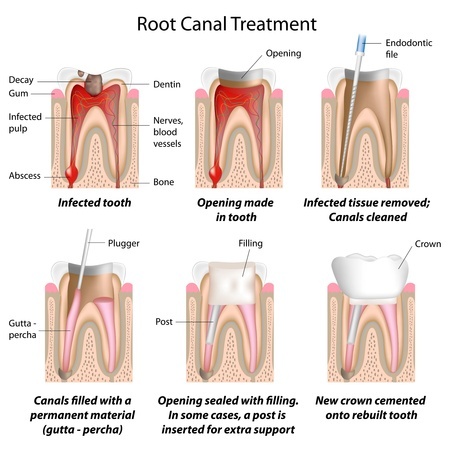
This damage can result in discomfort, abscess and swelling. A root canal procedure can be done to remove the infected dental pulp. Following this procedure, the tooth is restored. A crown is often recommended to protect the tooth and prevent future fracture.
What is a Root Canal Treatment?
Root canal treatment is a straightforward procedure to save infected teeth. In St. Catharines, our dental practice emphasizes clarity and transparency, ensuring our patients fully understand the procedure. Root canal treatment involves removing the infected pulp from inside the tooth, disinfecting the cavity, and then filling and sealing the space to prevent further infection. This process not only alleviates pain but also provides a sense of relief and comfort, preserving the tooth's structure and making it a preferred choice for tackling severe tooth decay or injury.
The Expertise of a Root Canal Dentist
Selecting a skilled root canal dentist is crucial for a comfortable and effective treatment. Our St. Catharines clinic is home to highly skilled dental professionals who can provide endodontic treatments, such as root canals. They combine their expertise with a compassionate approach to ensure that each patient receives the highest standard of care. Their proficiency in using the latest dental technologies enhances the precision of the treatment, reducing discomfort and speeding up the recovery process.
The Role of Endodontic Treatments
Endodontic treatments play a pivotal role in dental health, focusing on the interior health of the tooth. These treatments are not just about alleviating pain; they aim to save the tooth and maintain your natural smile. Employing advanced techniques, our clinic ensures that these procedures are as non-invasive as possible, promoting quick recovery while effectively treating the root cause of tooth pain.
The Importance of a Root Canal Filling
Following the removal of the infected pulp, a root canal filling becomes essential to restore the tooth to its full function. This step is vital in sealing off the cleaned cavity from potential future infections, ensuring the tooth can continue functioning normally. Our clinic in St. Catharines utilizes durable materials for fillings, guaranteeing the longevity of your tooth post-treatment.
Comprehensive Endodontic Services
Our clinic offers a wide range of endodontic services, ensuring comprehensive care for patients in need of root canal treatments. With a focus on patient comfort and the use of advanced technology, we strive to deliver the best possible outcomes. From diagnosis to post-treatment care, our dedicated team in St. Catharines is committed to making your experience as smooth and pain-free as possible, ensuring your dental health is restored and preserved.
Our commitment to patient care extends beyond the treatment room. We believe in educating our patients about their dental health and empowering them to make informed decisions about their treatment options. By prioritizing comfort, care, and communication, we aim to demystify root canal treatments and change perceptions about dental care, one patient at a time.
Need dental aid? Make sure to check out our other dental services.
FAQ
If you're experiencing persistent tooth pain, sensitivity to hot or cold, swelling, or tenderness in the gums, you might require a root canal. These symptoms often indicate that the dental pulp inside your tooth is damaged due to deep decay, fractures, or dental trauma. A root canal procedure can remove the infected pulp, alleviate discomfort, and prevent further complications.
Modern root canal surgery is designed to be as comfortable as possible. With local anesthesia and advanced techniques, the procedure is typically no more uncomfortable than getting a filling. In fact, treating root canal issues is intended to relieve the pain caused by infection, not to cause additional discomfort. The process involves removing the infected pulp, disinfecting the cavity, and sealing it to prevent further infection, providing relief and restoring dental health.
The duration of a dental root canal procedure varies depending on the case's complexity and the tooth involved. Generally, it can be completed in one to two appointments, each lasting about 60 to 90 minutes. Your dentist will assess your specific situation to provide a more accurate timeframe.
Preserving your natural tooth through root canal surgery is often the preferred option over extraction. Saving the tooth helps maintain proper chewing function, prevents neighbouring teeth from shifting, and avoids more invasive procedures such as dental implants or bridges. However, in cases where the tooth is severely damaged and cannot be restored, extraction may be necessary. Your dentist will evaluate your condition to recommend the best course of action.
After treating root canal issues, it's often recommended to place a crown on the treated tooth. This restoration protects the tooth from future fractures and restores its function and appearance. The need for a crown depends on the tooth's location and the amount of remaining tooth structure. Your dentist will advise you on the best restoration option for your specific case.
Root canal treatments have a high success rate, with studies reporting success rates of 70% to 97%, depending on various factors. When performed following established protocols, the procedure effectively saves the tooth and maintains your natural smile. Factors influencing success include the presence of pre-operative periapical lesions and the quality of the final restoration. Regular follow-ups and good oral hygiene further enhance the long-term success of the treatment.
Delaying dental root canal treatment can lead to worsening infection, increased pain, and the formation of an abscess. The infection can spread to surrounding tissues, leading to more severe health issues. Additionally, postponing treatment may necessitate more complex procedures or even tooth extraction. It's essential to address the problem promptly to preserve your tooth and overall oral health.