
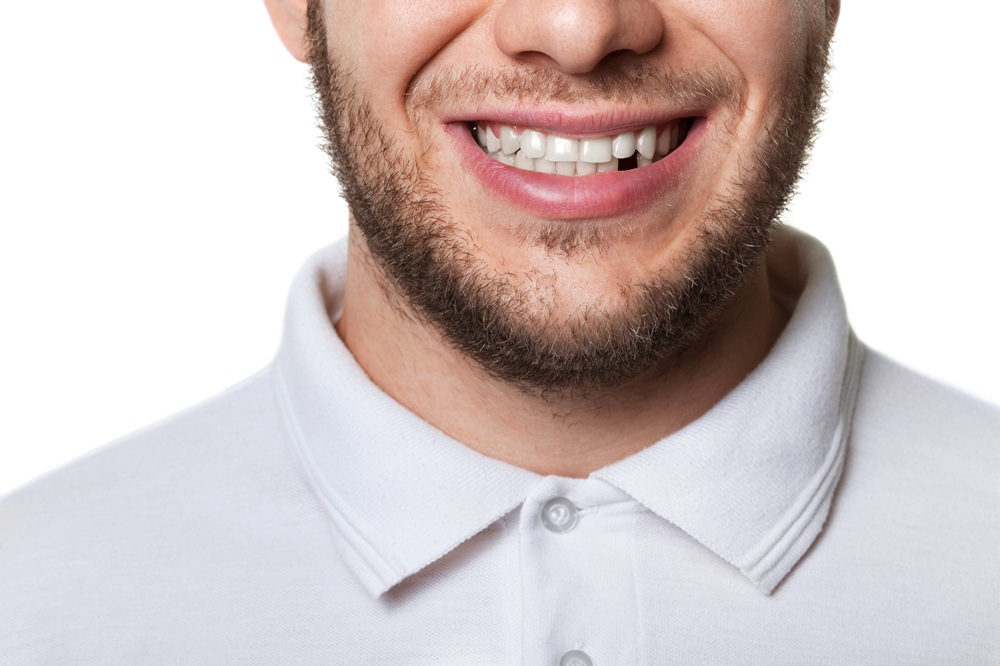
Understanding the Impact of a Missing Tooth
When you lose a tooth, it might seem like a minor inconvenience, but the impact can be significant. Beyond affecting the aesthetics of your smile, a missing tooth can lead to difficulties in eating and speaking. The gap left by a missing tooth can cause neighbouring teeth to shift, altering your bite and leading to potential jaw misalignment. This shifting can also create spaces that are harder to clean, increasing the risk of gum disease and decay. These issues underscore the importance of seeking effective solutions for a missing tooth without delay.
Ignoring a missing tooth can have long-term consequences for your overall oral health. Fortunately, a range of missing tooth options is available to restore both the function and appearance of your smile. From traditional dentures to more modern bridges and implants, each solution offers unique benefits tailored to individual needs. It’s important to understand these options to make an informed decision about which method might be best for you. Addressing a missing tooth not only helps maintain your smile but also supports your long-term dental health and well-being.
Comparing Your Tooth Replacement Options
When considering options for replacing teeth, it’s essential to understand the variety of solutions available, each with its own set of advantages and drawbacks.
Removable Dentures
One popular choice is dentures, which are removable appliances designed to replace missing teeth. They are generally more affordable than other options and can be a good choice for those missing multiple teeth. However, dentures may require adjustments over time and might not feel as natural or secure as fixed solutions.
Dental Bridges
On the other hand, dental bridges are a permanent option that involves anchoring artificial teeth to neighbouring healthy teeth. While bridges provide a natural appearance and are more stable than removable options, they can be more expensive and require altering adjacent teeth.
Dental Implants
Other ways to replace missing teeth include dental implants, which offer a long-lasting and aesthetically pleasing solution by integrating directly with the jawbone. Implants are highly durable but typically come with a higher cost and a longer procedure time.
Choosing the Right Solution
Each of these options caters to different needs and preferences, so it’s important to weigh factors like cost, durability, and aesthetic appeal. To make the best choice, consider consulting with a dental professional who can provide personalized advice based on your specific situation. This ensures that you choose the most suitable solution to restore both function and appearance to your smile.
Frequently Asked Questions About Missing Teeth
Ignoring a missing tooth can lead to several long-term oral health issues. The surrounding teeth may shift into the empty space, causing bite misalignment. Additionally, the lack of a tooth root can lead to jawbone loss over time, and the gaps make it harder to clean your teeth, increasing the risk of gum disease and decay.
Dental implants are considered the most permanent and durable solution. Because the titanium post is surgically integrated into your jawbone, it acts just like a natural tooth root. With proper oral hygiene and regular check-ups, a dental implant can last a lifetime.
Most adults in good general and oral health are excellent candidates for implants. You need to have healthy gums and adequate jawbone density to support the implant. The best way to find out is to schedule a consultation with our St. Catharines dental team, where we will evaluate your smile and recommend the safest, most effective option for you.