
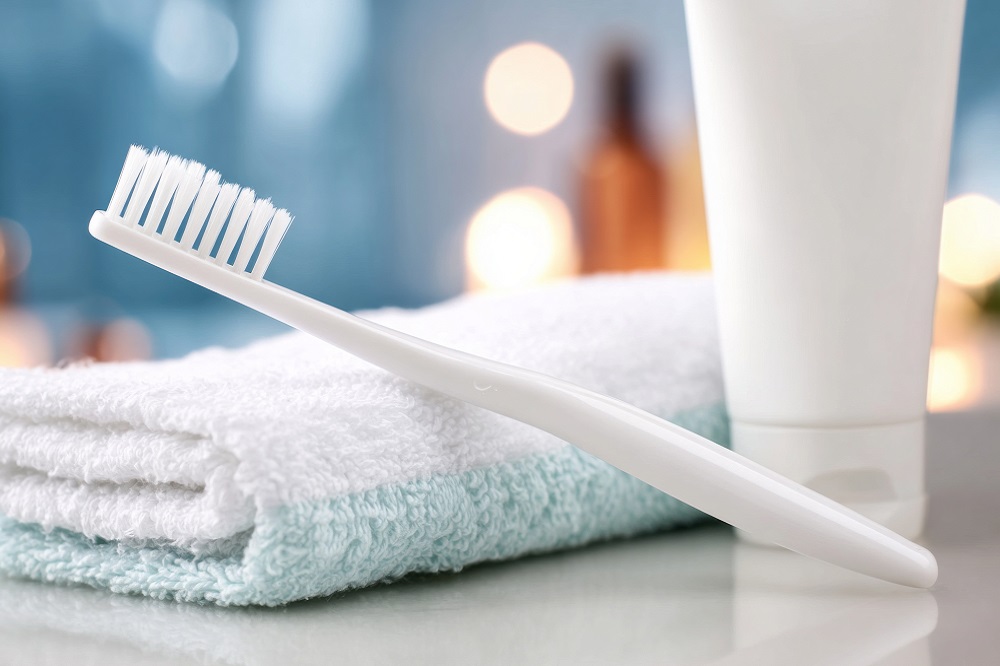
Importance of daily oral care
Understanding the dental hygiene basics is crucial for maintaining a healthy and bright smile. Daily oral care routines are the foundation of good dental health, serving as your first line of defense against cavities and gum disease. By consistently practicing these habits, you ensure not only a clean mouth but also a healthier body overall. Poor dental hygiene can lead to a variety of health issues, including heart disease, diabetes, and respiratory problems. Thus, establishing a regular oral care routine is about more than just avoiding a trip to the dentist – it’s about safeguarding your entire well-being.
Learning how to care for your teeth starts with consistent brushing and flossing, simple routines that make a big difference in maintaining long-term dental health. Brushing your teeth twice a day with fluoride toothpaste helps remove plaque – a sticky film of bacteria that can cause cavities. Make sure to use a soft-bristled toothbrush to avoid damaging your gums. Flossing once a day is equally important, as it helps clean between the teeth where your brush can’t reach. These simple yet effective habits are the core of any solid dental care regimen. For added protection, consider rinsing with antibacterial mouthwash and replace your toothbrush every 3 to 4 months for optimal effectiveness. By following these daily practices, you can maintain strong teeth and gums for life.
Building your oral hygiene routine
A well-planned oral hygiene routine is key to maintaining a strong, healthy smile and preventing common dental issues. The first step is selecting the right tools for the job. Choose a toothbrush that feels comfortable in your hand and fits your mouth well; soft bristles are generally recommended to protect your gums. Pair this with fluoride toothpaste, which helps strengthen your enamel and prevent tooth decay. Incorporating a mouthwash that targets your specific needs, such as plaque protection or gum health, can provide an additional layer of defense against bacteria.
To create a routine that easily integrates into your daily life, consider these practical tips on oral hygiene:
- Brush your teeth for at least two minutes, twice a day, using a gentle circular motion to cover all surfaces.
- Floss daily to remove plaque and food particles from between your teeth and along the gum line.
- Use mouthwash to rinse away residual bacteria and freshen your breath.
- Schedule regular dental check-ups for professional cleanings and preventive care.
- Stay hydrated and eat a balanced diet to support your oral health.
By following these steps and adapting them to suit your personal needs, you can establish an effective oral hygiene routine that not only preserves your dental health but also increases your overall quality of life.
The role of professional hygiene cleanings
While a solid at-home oral care routine is indispensable, regular professional hygiene cleanings are crucial for maintaining optimal dental health. These cleanings go beyond what you can achieve at home, removing plaque and tartar buildup that brushing and flossing alone may not eliminate. During a professional cleaning, a dental hygienist uses specialized tools to meticulously clean your teeth, especially in those hard-to-reach areas that are often neglected. This not only leaves your teeth feeling polished and smooth but also significantly reduces the risk of cavities and gum disease.
Regular hygiene cleanings are an essential complement to your everyday routine, providing a deeper level of care that helps identify potential issues before they develop into more serious problems. By visiting your dentist regularly, you ensure your oral health is monitored by a professional who can offer tailored advice and solutions. These visits are key to a comprehensive approach to dental hygiene basics, as they allow your dentist to perform examinations, take X-rays if necessary, and discuss any concerns you may have. Ultimately, by integrating professional cleanings into your dental care strategy, you’ll be better equipped to maintain a healthy smile and prevent future dental complications.